
Loading...
Serving Maplewood, MN and surrounding areas. (612) 493-3415
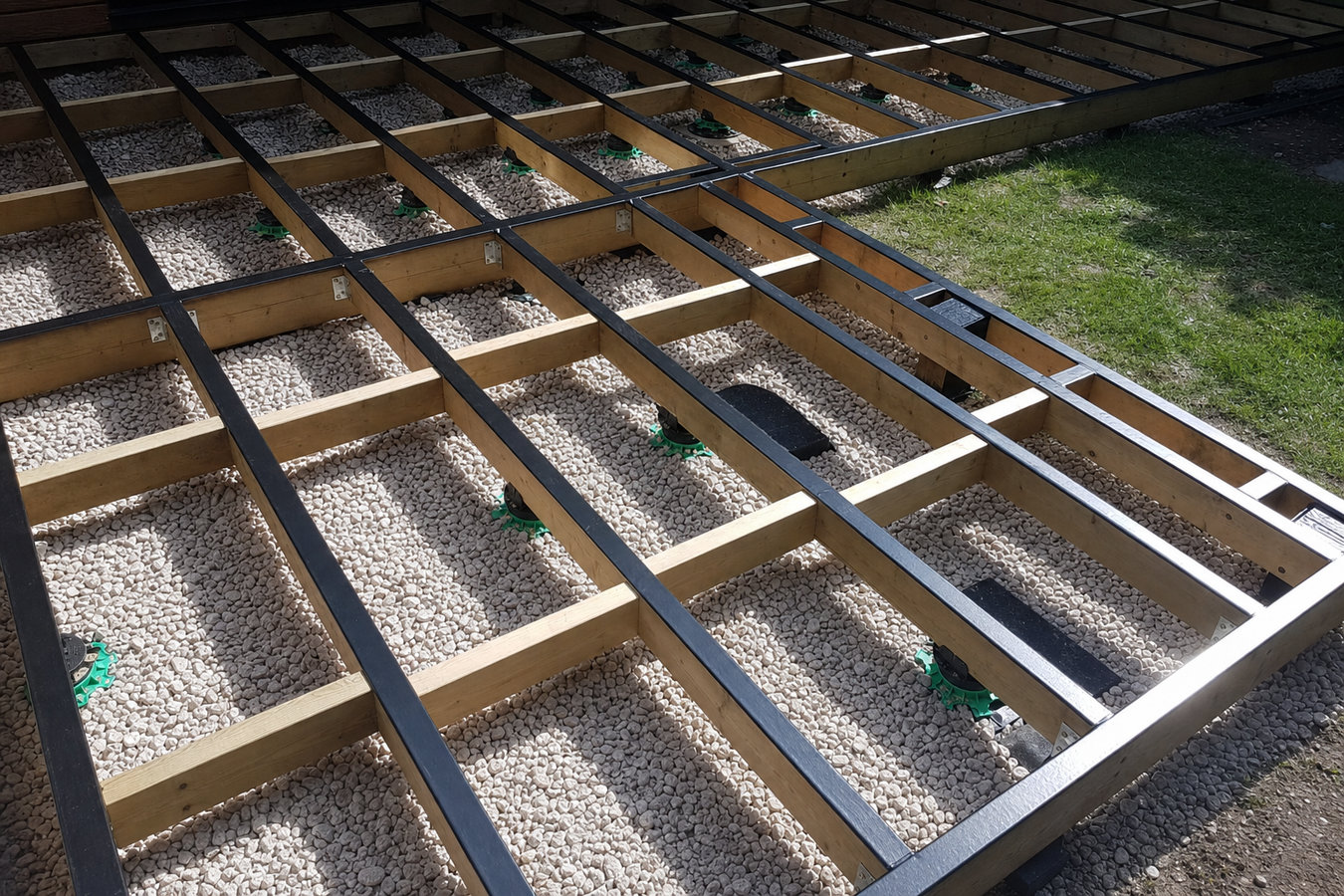
Your deck is showing its age and you are not sure if it needs a few fixes or a full rebuild. We walk the whole structure before we quote you anything - so you get a straight answer, not a guess.
Deck repair and replacement in Maplewood, MN starts with a thorough structural assessment - not just a look at the surface - and most projects are completed within one to two weeks of active construction once the permit is approved.
The honest answer most homeowners need to hear is this: you often cannot tell from the surface whether your deck needs a few boards replaced or a full rebuild. A deck can look rough on the surface and be structurally fine underneath. It can also look presentable while hiding rot in the posts or ledger board that makes it genuinely unsafe. The only way to know is to check the parts you cannot see from standing on top of it. If your deck is showing surface wear after Maplewood winters, it is also worth having the deck staining and sealing conversation at the same time - catching deterioration early costs a lot less than addressing it once it has spread to the structure.
Maplewood has a large share of homes built in the 1960s through 1980s, and decks from that era were often built to standards that do not meet today's safety requirements. If your home was built before 1990 and the deck has not been significantly updated, it is worth having a contractor take a look at the structure even if it looks fine on the surface.
Press down firmly on different spots across your deck surface. If any area gives slightly - like pressing on a sponge rather than solid wood - the wood underneath has started to rot. In Maplewood, this is especially common in shaded areas where snow sits longest in spring and moisture never fully dries out. Rot that starts at the surface usually spreads into the framing faster than homeowners expect.
Stand at the edge of your deck and push firmly on the railing. It should feel completely solid - no wobble, no give. A railing that moves even slightly is a safety issue, not just a cosmetic one. This kind of loosening develops gradually after several Minnesota winters and is easy to miss until someone leans on it at the wrong moment.
After a hard winter, walk your deck and look for boards that have shifted, cupped upward at the edges, or pulled away from the joists below. Small gaps are normal and help water drain, but gaps wider than about a half inch, or boards that rock when you step on them, mean the fasteners have failed or the wood has warped beyond what sealing can fix.
Dark streaks or black staining on wood almost always mean moisture has been sitting there long enough to start breaking down the wood fibers. Pay close attention to where the deck attaches to your house and at the base of any posts. These are the spots where rot starts - and where a failure would be most dangerous if left unaddressed.
Every project starts with a full structural assessment - posts, beams, framing, ledger board, and the connection to your house - before we recommend anything. If your structure is sound, we can resurface the deck by replacing just the surface boards and hardware. If the framing or posts have significant rot or damage, a full replacement is usually more cost-effective than patching a failing structure. We handle permits with the City of Maplewood for all projects that require them, and we coordinate the city inspection so you do not have to. For decks that are sound but starting to look weathered, deck staining and sealing is often the most cost-effective next step before deterioration reaches the structure.
When a deck is being fully replaced, homeowners sometimes use the opportunity to update the railing system at the same time. We also install deck railing that meets current code requirements for height and structural strength - which older decks often fall short of. Whether you need a targeted repair or a ground-up rebuild, we give you a written estimate that breaks down exactly what is included.
Suits homeowners whose deck has isolated problems - a few rotted boards, a loose post, or failing railings - while the overall structure is still solid.
Suits homeowners whose framing and posts are in good shape but whose surface boards, fasteners, and railings have reached the end of their useful life.
Suits homeowners whose framing, posts, or ledger board have structural problems that make patching uneconomical or unsafe - a complete rebuild from the footings up.
Suits homeowners whose deck surface is fine but whose railing system no longer meets safety requirements or has become loose after years of Minnesota winters.
Minnesota's freeze-thaw cycle is the single biggest enemy of outdoor wood structures in Maplewood. Temperatures here swing from well below zero in January to the 90s in summer, and that extreme range causes wood to expand and contract repeatedly. Fasteners loosen. Gaps between boards widen. Cracking accelerates. Homeowners often notice new problems every spring that were not visible the previous fall - and that is not bad luck, that is just what Minnesota winters do to outdoor wood. Homes in Maplewood that were built in the 1960s and 1970s often have original decks that have been through 40 or more of those cycles, and the structural standards from that era are no longer considered adequate for safety today.
We work with homeowners throughout Maplewood and neighboring communities, including North Saint Paul and Oakdale. Contractor schedules in this area fill quickly every spring - by April, most reputable builders in the metro are booked out four to six weeks or more. If you are hoping to have your deck repaired or replaced before Memorial Day weekend, reaching out in February or early March gives you the best chance of hitting that window.
When you reach out, we ask a few basic questions - roughly how big your deck is, whether you think it needs repair or replacement, and what you have noticed that prompted the call. We reply within 1 business day and schedule a site visit from there. You do not need to have answers ready.
We walk your deck and check the things you may not have thought to look at - the framing underneath, the posts, and especially where the deck connects to your house. This visit takes 30 to 60 minutes. Within a few days, you receive a written estimate that breaks down what work is recommended, what materials will be used, and what it will cost.
For most deck projects in Maplewood, we submit a permit application to the city before work begins. This typically takes one to two weeks for approval. We handle the paperwork and coordinate the inspection schedule - you should not need to visit city hall or figure out what forms are required.
For a full replacement, expect the crew on-site for three to seven days depending on deck size. A city inspector visits after the framing is in place and before the decking goes down. After the inspection passes, we remove all debris and walk you through the finished project before we leave.
We walk the full structure before we quote you anything. Free written estimate, no pressure, no commitment.
(612) 493-3415We walk the framing, posts, and ledger board before we recommend anything - not just the surface you can see from standing on top. That means you get a real assessment of what is wrong and what it will take to fix it, not a guess based on a quick glance. The biggest fear homeowners have is agreeing to a repair and then getting a call mid-project saying the price just doubled because of something unexpected. We eliminate that by knowing what we are working with before we start.
Most deck projects in Maplewood require a building permit, and we handle the entire process - application, plans, and inspection coordination. A city inspector reviews the framing before the decking goes on, which means there is an independent check on the structural work. The U.S. Consumer Product Safety Commission has documented thousands of deck-related injuries annually, many from structures that were never inspected. A permitted project protects you now and documents the work for when you sell.
We choose materials and fasteners specifically rated for the temperature swings Maplewood sees every year, and we pay close attention to drainage and water management so moisture does not sit where it can cause damage. A deck that looks great in July but starts showing problems by the following spring was built for the wrong climate. We build for the winter, not just the summer.
We work on decks throughout Maplewood and the surrounding east metro - from homes near Maplewood Mall to neighborhoods along White Bear Avenue. Familiarity with local soil conditions, frost depths, and the City of Maplewood's permit process means we do not run into avoidable delays or surprises. If you have questions about HOA requirements in your neighborhood, we can help you navigate that process too.
These are the things that separate a contractor who does careful work from one who just gets the job done quickly. A deck that is properly assessed, permitted, and built for Minnesota winters will still feel solid five years from now - and that is what we hold ourselves to on every project.
Protect your repaired or replaced deck against Maplewood's freeze-thaw cycle with professional staining and sealing that extends the life of the wood.
Learn MoreUpdate or replace a railing system that no longer meets current safety standards - often done at the same time as a deck resurface or full replacement.
Learn MoreMaplewood contractors book out weeks in advance every spring. Call today or request a free estimate so your deck is safe and ready before the season starts.